
If I Had a Hammer ... Constructing a High-Tech Income Portfolio
Time to adjust income assets for the new reality when everything looks like a nail.

“When all you have is a hammer, everything looks like a nail”
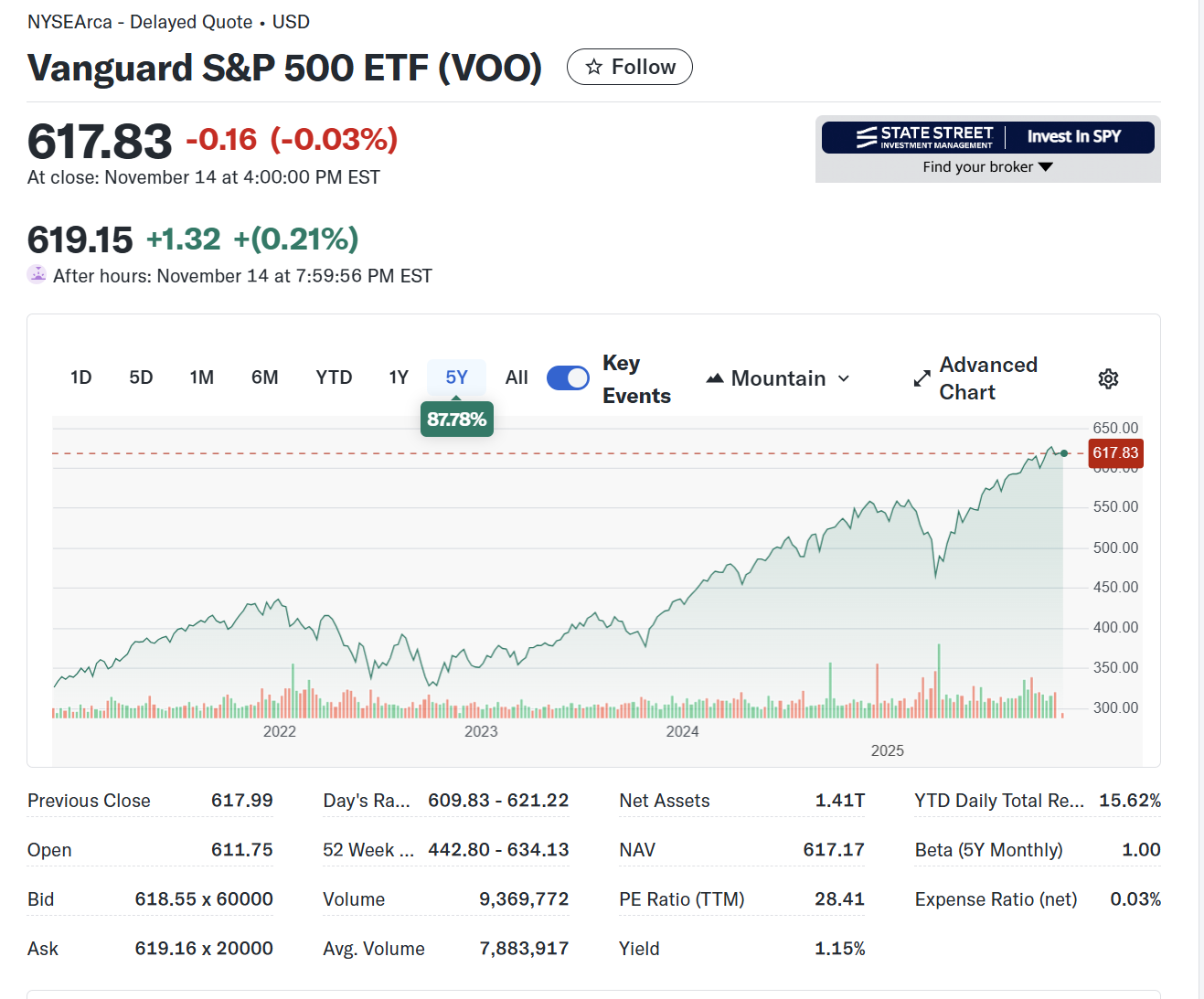
If you have been investing in the stock market for the past 15 to 20 years, or even just since the end of the Covid pandemic 5 years ago, you have probably done pretty well with tech stocks. Any fund that follows the S&P 500 index such as VOO or SPY has done quite well with more than 20% returns annually over the past several years, and a nearly 90% return over the past five years.
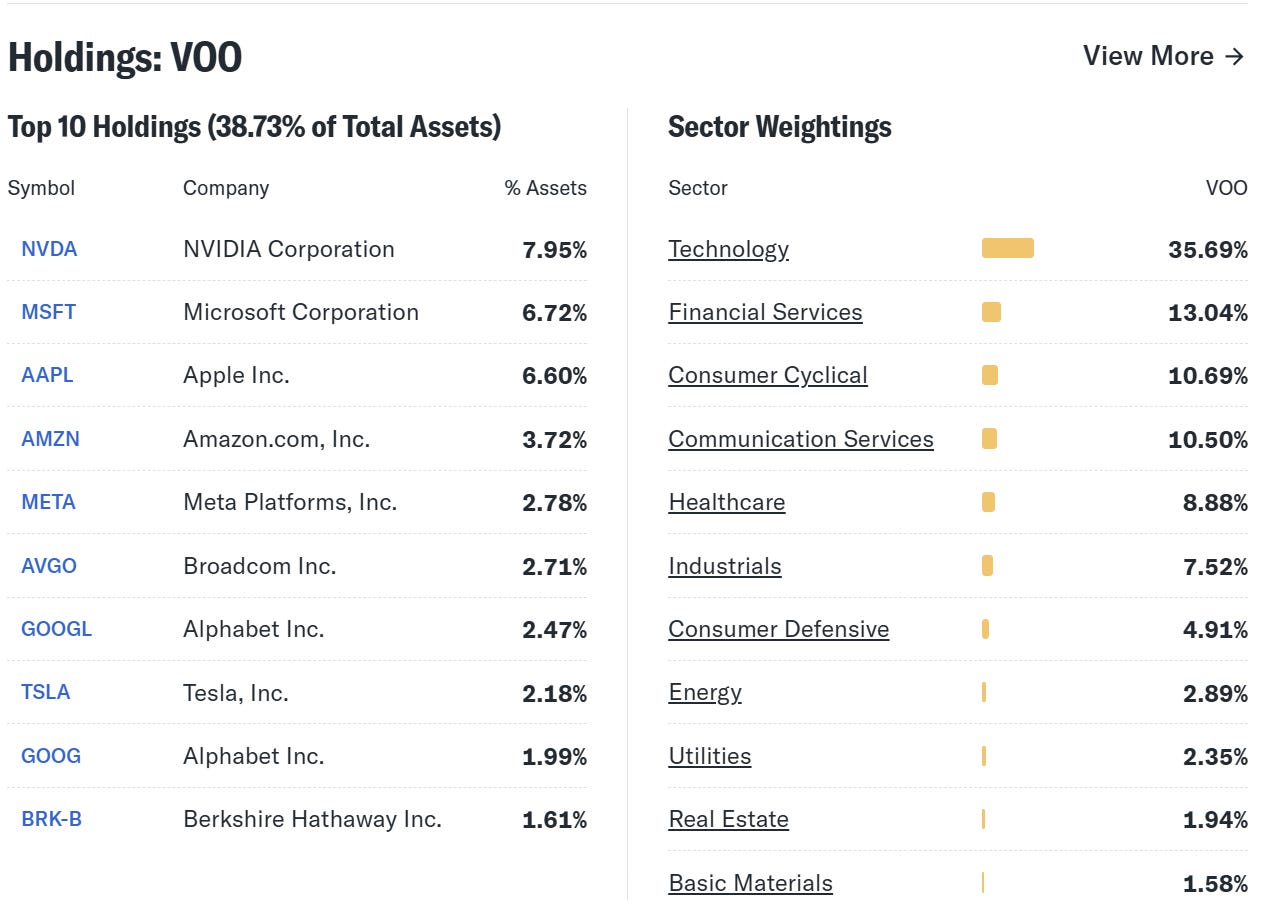
However, those returns are based on a very heavy weighting toward technology stocks that are being propelled ever higher by the booming AI investments with billions targeted at data center buildouts over the next several years. In fact, the top 10 holdings in the index represent nearly 40% of the total value of the 500 stocks represented by the S&P 500.
As a now retired, mostly income-oriented investor I want to benefit from this trend, which appears to still have some life left in it at least through 2026 and perhaps even through 2030 as some predict. I wanted to share some ideas on a few funds to consider like ETFs (exchange traded funds) and CEFs (closed end funds) that offer a passive income stream from an investment in these high-growth technology stocks.
One reason for suggesting this approach is because a fund that delivers an income stream from these high-growth tech stocks is one way to capture the gains without having to sell shares. This strategy can also help to provide some protection in the case of a market correction by continuing to deliver income into your portfolio every month even when stock prices are declining.
Also, by adding more shares of these funds when prices do decline it helps to grow the portfolio value (buy low to capture gains from eventual price appreciation) while more importantly for me at least, growing the future income stream. I call this my Income Compounder approach, where I continually reinvest at least a portion of the monthly income into more, lower priced shares of these income vehicles.
Without further ado let’s take a brief look at a couple of these funds.
Cornerstone Funds: CLM and CRF
I group these two CEFs together because they are nearly identical in most respects. Cornerstone Strategic Investment Fund (CLM) is the largest of the two with about $1.9B in assets. Currently offering a distribution yield of 18%, the fund trades at a premium of about 21% above NAV (net asset value), which is important to understand because of the DRIP (dividend reinvestment policy) discount.
Cornerstone Strategic Investment Fund (CRF) is the sibling CEF from the same investment management firm and it currently holds about $1B in assets, offers a yield just under 18% and trades at a premium of about 19.6%.
Both funds essentially hold stocks that closely match the S&P 500 holdings while delivering very high yield income that is even more attractive when considering the reinvestment aspect. The Cornerstone funds both offer a DRIP discount at NAV, which means that reinvested shares are “purchased” at significantly discounted prices due to the high premiums. In other words, each month a shareholder who elects to reinvest or DRIP will receive shares in their account at a price that is about 20% (or whatever the premium is at the time) discounted to the market price.
Over the past five years investors in CLM and CRF would have received a total return from their investment that roughly matched the S&P 500, assuming dividends were reinvested at market price (typically how total return is calculated = change in market price plus dividends reinvested). For those who took advantage of the DRIP discount, even better performance was realized.
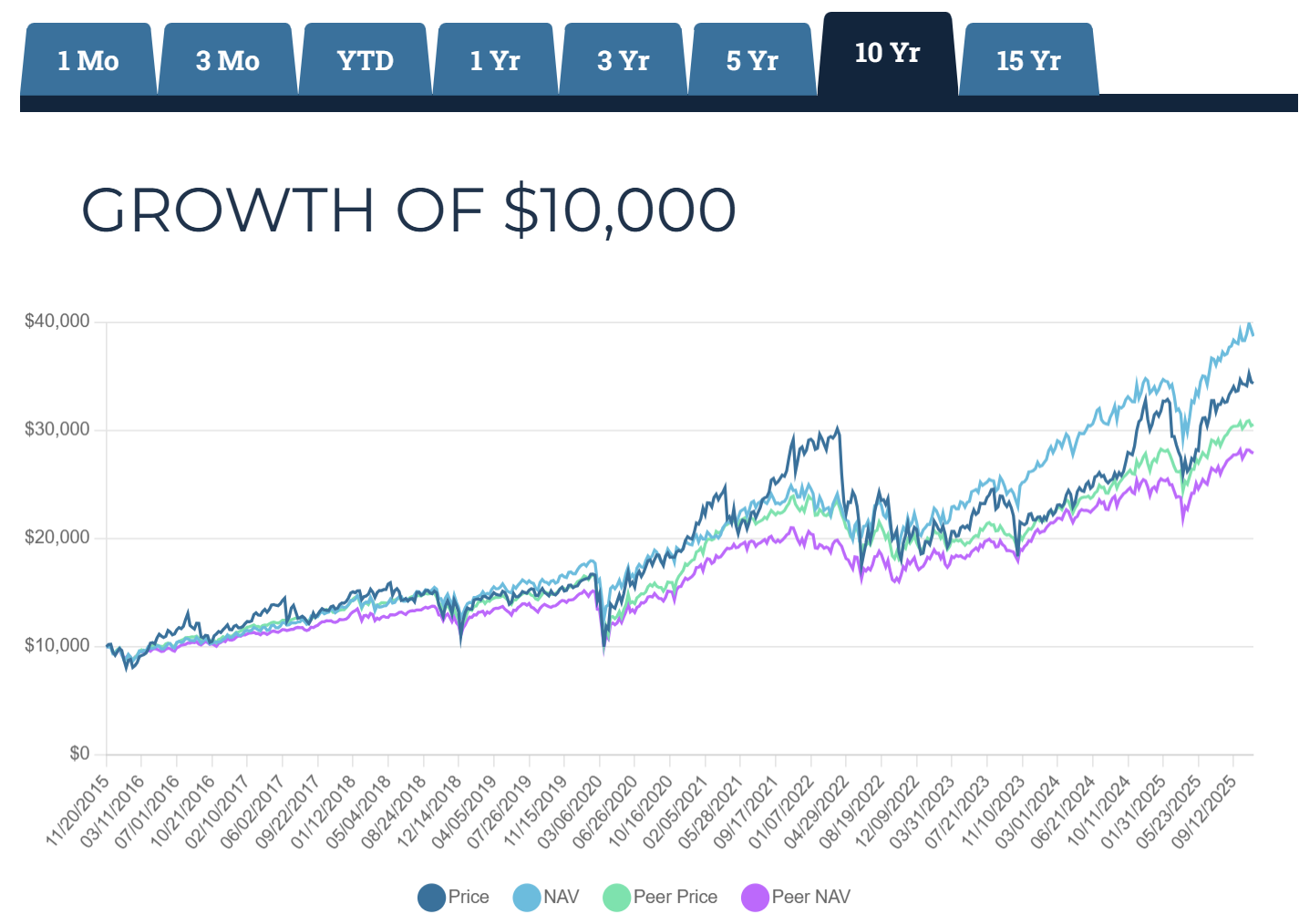
According to CEFdata.com, an investment of $10,000 in CLM 10 years ago would be worth about $35,000 today (at market price, nearly $40k at NAV).
REX FANG & Innovation Equity Premium Income ETF (FEPI)
A relatively newFANGled ETF from Rex Shares is FEPI, which captures growth plus income from the currently highest performing tech stocks. In my Seeking Alpha article from August 2024 (you may need a subscription to read), I referred to FEPI as the New Cornerstone of Income ETFs.
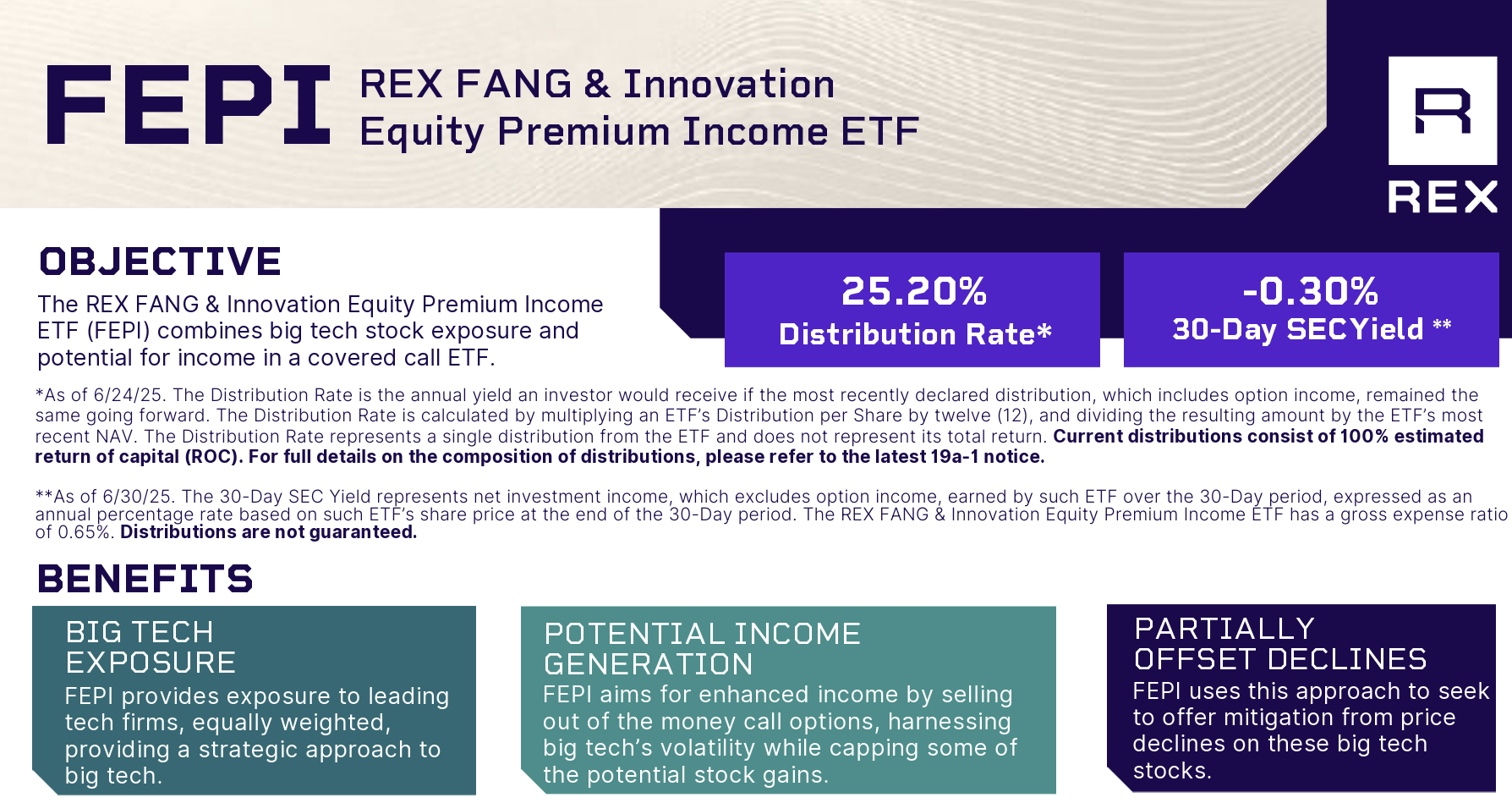
Like the mature Cornerstone CEFs that generate high-yield income from top S&P 500 stocks, FEPI takes advantage of the price gains from top technology stocks (specifically those 15 stocks that are in the Solactive FANG Innovation index) to grow the fund’s NAV while writing covered calls against the stocks to generate income.
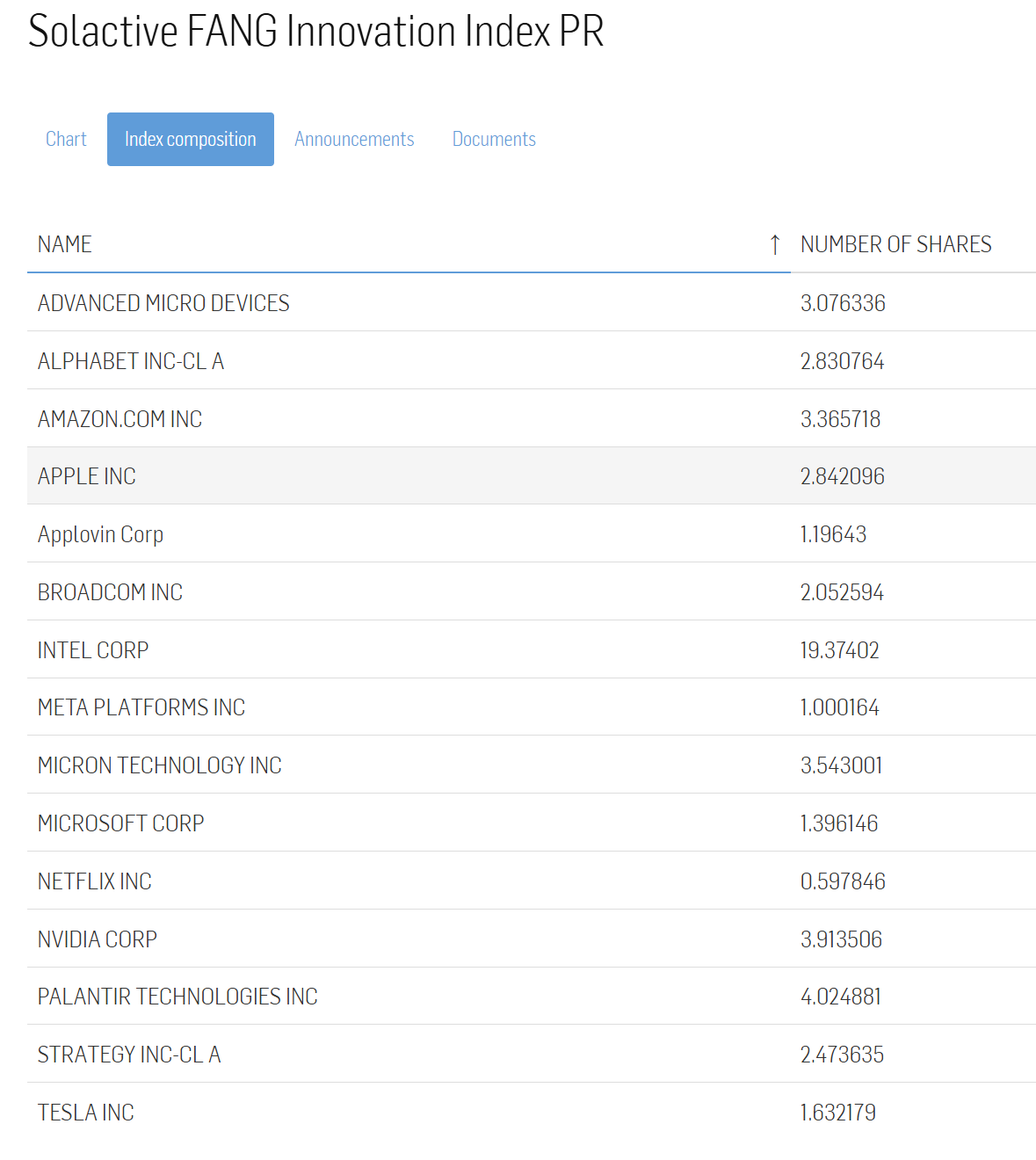
FEPI delivers an astounding 25% yield from its call writing premiums and manages to capture some price appreciation as well. FEPI went public in October 2023 and currently holds about $570M in AUM (assets under management). This snippet from the fund fact sheet provides more details about this two year old ETF.
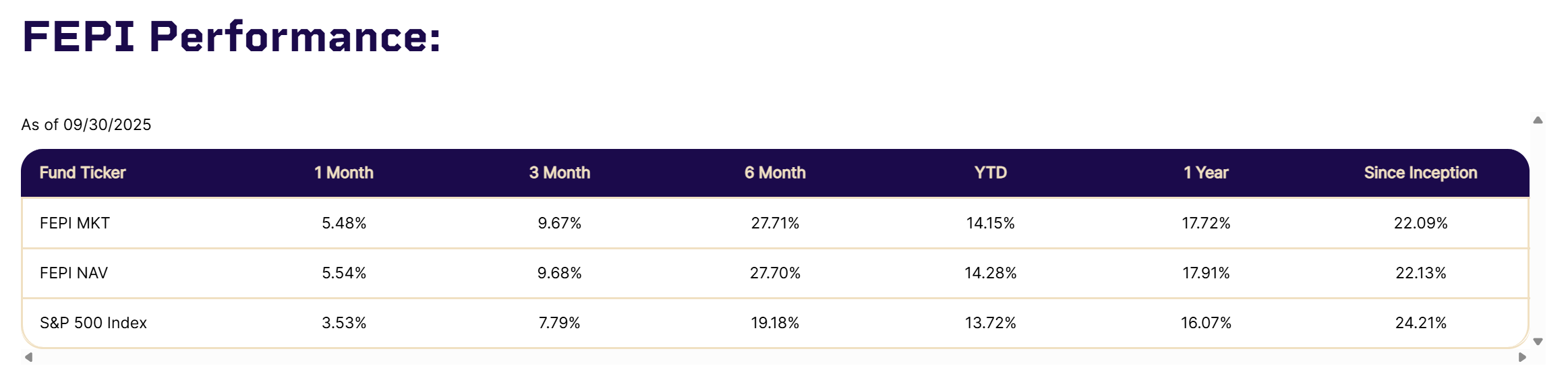
Like the Cornerstone funds, FEPI performance since inception has nearly matched the S&P 500 while delivering exceptional high-yield income monthly to shareholders.
YieldMax Magnificent 7 Fund of Option Income ETFs (YMAG)
For an even higher-risk, higher-reward investment option that leverages the phenomenal growth of the “Magnificent Seven” stocks, a newish ETF is available from the YieldMax fund family. YMAG is a fund of funds and attempts to capture very high yield income from writing covered calls against the seven underlying stocks that each of the single-stock YieldMax ETFs covers, as explained on the fund website:
The Fund is a “fund of funds,” meaning that it will primarily invest its assets in seven YieldMax® ETFs. The Fund’s name refers to its strategy of gaining exposure to the common stocks of seven companies*, which together are commonly referred to as the “Magnificent 7”.
* Magnificent 7 Companies: Apple Inc. (AAPL), Amazon.com, Inc. (AMZN), Alphabet Inc. (GOOGL), Meta Platforms, Inc. (FBY), Microsoft Corporation (MSFT), NVIDIA Corporation (NVDA) and Tesla, Inc. (TSLA).
The portfolio will be reallocated on a monthly basis so that each of the seven YieldMax® ETFs held in the Fund’s portfolio is equally weighted.
Not only does YMAG deliver high-yield income to shareholders from technology growth stocks, but it does so weekly!

As a portfolio manager who is constantly reinvesting into lower price shares of income-producing funds, YMAG is an excellent vehicle for supporting that goal with its weekly distributions. YMAG has only been in existence since January 2024 but has delivered exceptional performance since its inception as shown on the fund website.
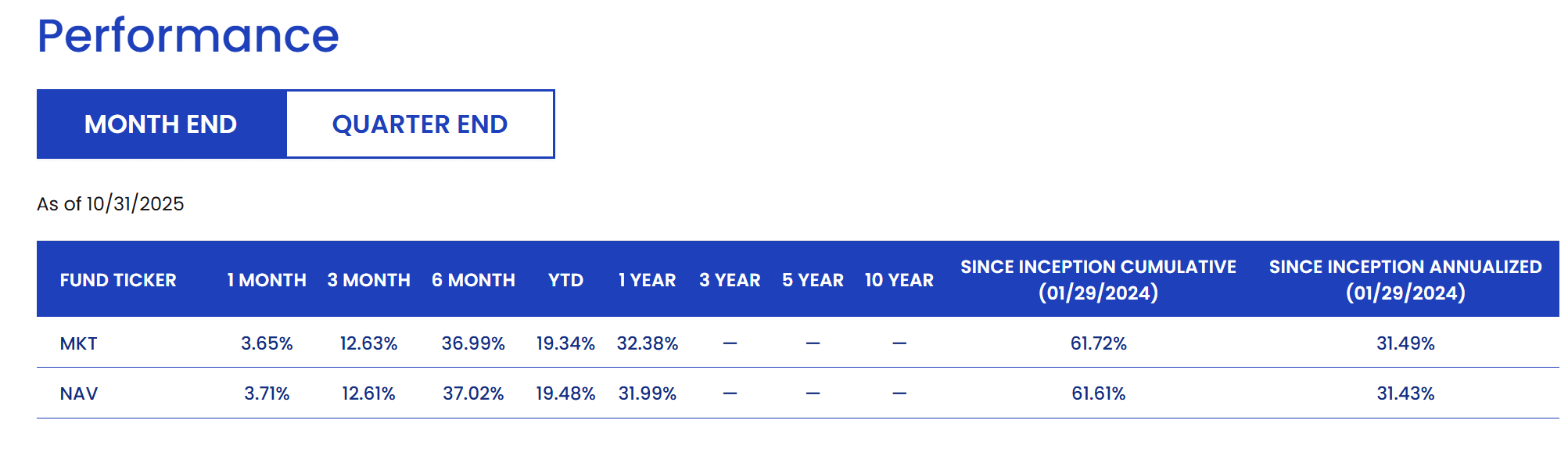
Who knows how long this party will last, but while it does I will gladly accept the weekly distributions from YMAG to use as “dry powder” for investing in other lower risk income-producing funds in my portfolio. Meanwhile, YMAG has done a pretty good job of maintaining its NAV even while offering a current distribution rate of nearly 60%.

If any of these funds interest you, I encourage you to do your own research to determine if your own risk tolerance and investment objectives support an investment in any of these high-yield income funds. Thanks for reading, and good luck with whatever you decide.